
Key Takeaways
- India faces significant urban problems like rapid population growth, traffic congestion, and pollution.
- Smart cities aim to address these urban problems by implementing technology-driven solutions and sustainable practices.
- The Smart Cities Mission promotes inclusive urban development by transforming infrastructure and enhancing governance.
- Key technologies, such as IoT and AI, support effective urban management and services in smart cities.
- Despite challenges in implementation, smart cities have the potential to significantly improve the quality of life for residents.
How Smart Cities are Transforming India’s Urban Landscape
Overview
India is urbanizing at an unmatched pace. Every year, millions of people move to cities in search of better opportunities, education, healthcare, and quality of life. However, this rapid urbanization has also worried citizen for urban problems in India, such as traffic congestion, pollution, inadequate housing, water shortages —a vision that combines technology, sustainability, governance reforms, and citizen-centric planning.
Smart cities are no longer a dream. Instead, they are agressively remold India’s urban landscape by improving infrastructure, optimizing resource use, and enhancing the overall quality of life. This blog let you know how smart cities are changing Indian cities in a positive outlook, the problems they aim to solve, and why they are important for India’s urban future.

Understanding Urban Problems in India
Before understanding how smart cities are making a difference, it is crucial to examine the urban problems in India that necessitated this transformation.
Rapid Population Growth
India’s cities are growing faster than their infrastructure can support. As a result, overcrowding has become a major concern, leading to pressure on transport systems, housing, sanitation, and public services.
Traffic Congestion and Poor Mobility
Most Indian cities suffer from chronic traffic congestion. Inefficient public transport systems, lack of last-mile connectivity, and rising private vehicle ownership have worsened mobility challenges.
Air and Water Pollution
Pollution is one of the most visible urban problems in India. Poor waste management, industrial emissions, vehicular pollution, and untreated sewage have degraded air and water quality in many cities.
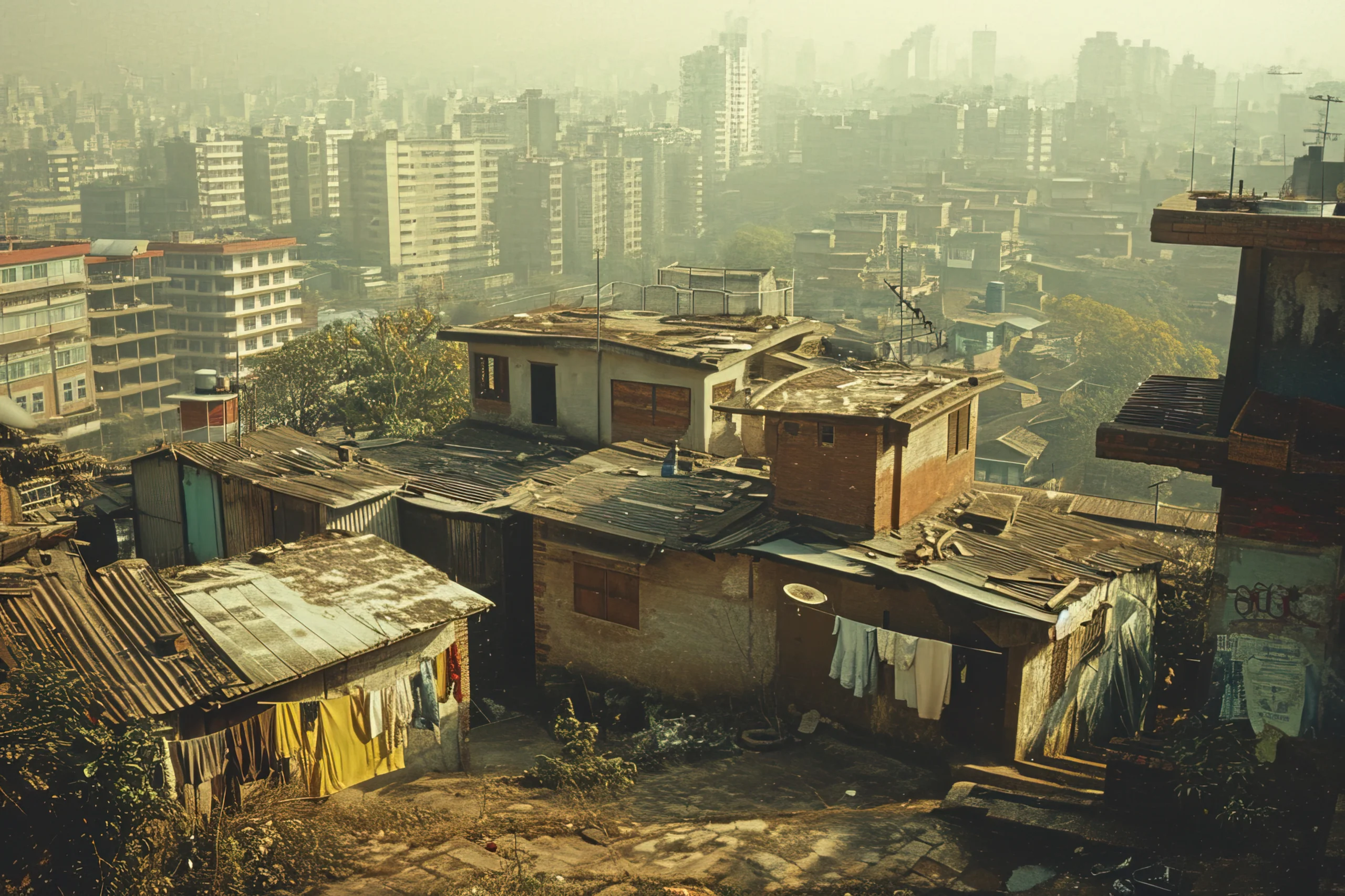
Inadequate Housing and Slums
Affordable housing remains a serious concern. Consequently, informal settlements and slums have expanded, often lacking basic amenities like clean water, sanitation, and electricity.
Water Scarcity and Poor Waste Management
Despite heavy rainfall in many regions, poor water management has led to shortages. At the same time, inefficient waste collection and disposal systems have created environmental and health risks.
Governance and Service Delivery Gaps
Traditional urban governance models struggle with inefficiency, lack of transparency, and slow service delivery. As cities grow larger, these issues become more pronounced.
Clearly, these challenges demand innovative, scalable, and technology-driven solutions. This is where smart cities come into play.
What Is a Smart City?
A smart city uses digital technologies, data-driven decision-making, and sustainable practices to improve urban living. However, technology alone does not define a smart city. Instead, a smart city integrates infrastructure, governance, social inclusion, and environmental responsibility to create a resilient urban ecosystem.
In the Indian context, smart cities focus on:
- Efficient infrastructure development
- Sustainable resource management
- Citizen-centric governance
- Economic growth and innovation
- Improved quality of life
India’s Smart Cities Mission: A Vision for the Future
Launched in 2015, the Smart Cities Mission (SCM) aims to promote sustainable and inclusive urban development. Under this initiative, 100 cities across India were selected to implement smart solutions tailored to their unique challenges.
The mission adopts two key strategies:
Area-Based Development (ABD) – Transforming specific city zones through retrofitting, redevelopment, or greenfield development.
Pan-City Solutions – Applying smart technologies across the entire city, such as intelligent traffic management or e-governance platforms.
This approach ensures that smart solutions address both localised issues and city-wide challenges.
How Smart Cities Are Solving Urban Problems in India
Smart cities are actively disclaiming the most pressing urban problems in India. Let’s explore how.
Smart Mobility and Traffic Management
Traffic congestion is one of the biggest urban problems in India. Smart cities are transforming mobility through technology and integrated planning.
Key Interventions
- Intelligent Traffic Management Systems (ITMS)
- Real-time traffic monitoring through sensors and cameras
- Smart traffic signals that adapt to traffic flow
- Integrated public transport systems
- Mobile apps for route planning and parking availability
As a result, cities like Pune, Surat, and Bhopal have reduced travel time, improved road safety, and enhanced public transport efficiency.
Sustainable Urban Infrastructure
Traditional infrastructure often fails to meet modern urban demands. Smart cities focus on building resilient, sustainable infrastructure.
Infrastructure Improvements Include:
- Smart street lighting with energy-efficient LEDs
- Underground utility corridors
- Smart grids and renewable energy integration
- Rainwater harvesting and water recycling systems
These upgrades not only improve reliability but also reduce operational costs and environmental impact.
Smart Water Management
Water scarcity is a growing urban problem in India. Smart cities use technology to manage water resources more effectively.
Smart Water Solutions
- IoT-based water meters
- Leak detection systems
- Real-time monitoring of water quality
- Automated water distribution networks
Consequently, cities can reduce water loss, ensure equitable distribution, and improve water security.
Waste Management and Clean Cities
Poor waste management contributes significantly to pollution and health risks. Smart cities address this challenge through intelligent systems.
Key Initiatives
- Smart waste bins with fill-level sensors
- GPS-enabled waste collection vehicles
- Waste-to-energy plants
- Segregation at source and recycling programs
These initiatives have improved cleanliness while promoting environmental sustainability.
Digital Governance and Citizen Services
Governance inefficiencies are another major urban problem in India. Smart cities promote transparency and efficiency through digital platforms.
E-Governance Solutions
- Online service delivery portals
- Mobile apps for grievance redressal
- Digital payment systems for utilities
- Open data platforms
As a result, citizens experience faster service delivery, greater accountability, and improved trust in urban administration.
Affordable Housing and Urban Planning
Housing shortages and unplanned growth have led to sprawling slums. Smart cities prioritise planned urban development.
Key Approaches
- GIS-based urban planning
- Affordable housing projects
- Transit-oriented development
- Redevelopment of informal settlements
Through better planning, smart cities aim to provide dignified living conditions for all residents.
Environmental degradation is one of the most visible urban problems in India. Smart cities integrate sustainability into urban planning.
Green Initiatives
- Urban forests and green corridors
- Electric vehicle infrastructure
- Solar rooftops and renewable energy projects
- Air quality monitoring systems
These measures help cities combat climate change while improving public health.
Public Safety and Disaster Management
Safety is a critical component of urban living. Smart cities enhance security and disaster preparedness.
Safety Measures
- Integrated command and control centres (ICCC)
- CCTV surveillance with AI analytics
- Emergency response systems
- Disaster early-warning systems
These systems enable faster response times and better coordination during emergencies.
Economic Growth and Job Creation
Smart cities also act as engines of economic growth. By improving infrastructure and governance, they attract investment and innovation.
Economic Benefits
- Growth of IT and startup ecosystems
- Increased ease of doing business
- Skill development programs
- Employment opportunities in urban services
Thus, smart cities contribute to both economic resilience and social inclusion.
The Role of Technology in Smart Cities
Technology forms the backbone of smart cities. However, its role extends beyond automation.
Key Technologies Used
- Internet of Things (IoT)
- Artificial Intelligence (AI)
- Big Data and Analytics
- Cloud computing
- Geographic Information Systems (GIS)
These technologies enable data-driven decision-making and predictive urban management.
Challenges in Implementing Smart Cities in India
Despite progress, smart cities face challenges.
- High capital investment requirements
- Integration of legacy infrastructure
- Data privacy and cybersecurity concerns
- Potential capacity of urban bodies
- Ensuring inclusivity and affordability
Nevertheless, continuous learning and policy refinement are helping cities overcome these barriers.
How Smart Cities Improve Quality of Life
- Deep down, the success of smart cities lies in their impact on people’s lives.
- Quality-of-Life Improvements
- Reduced travel times
- Cleaner and healthy environment
- Accessible services
- Increased safety
- Enhanced citizen participation
By addressing urban problems in India holistically, smart cities create more liveable and resilient urban environments.
The Future of Smart Cities in India
The future of India’s urban terrain depends heavily on how smart city initiatives evolve.
What Lies Ahead
- Expansion of smart solutions to tier-2 and tier-3 cities
- Extensive use of Artificial Intelligence(AI) and machine learning with predictive analytics
- Stronger public-private partnerships bond
- Focus on climate- flexible infrastructure
- Customized urban innovation for citizens
As technology advances and governance models mature, smart cities will play an even more critical role in shaping India’s growth story.
Conclusion
Indian cities stand at a turning point. On one hand, urban problems in India continue to grow due to rapid urbanization. On the other hand, smart cities offer a powerful solution by mixing technology, sustainability, and taking account of governance.
Smart cities are not just about smart technology—they are about smart planning, smart governance, and smart living with apt resource utilization. By looking forward to infrastructure gaps, improving service timelines, and giving freedom to citizens, smart cities are changing India’s urban landscape for advance growth and development.
As these initiatives expand and evolve, they will not only redefine how Indian cities function but also how millions of people live, work, and thrive in them.
Estimated reading time: 7 minutes
Leave A Comment