
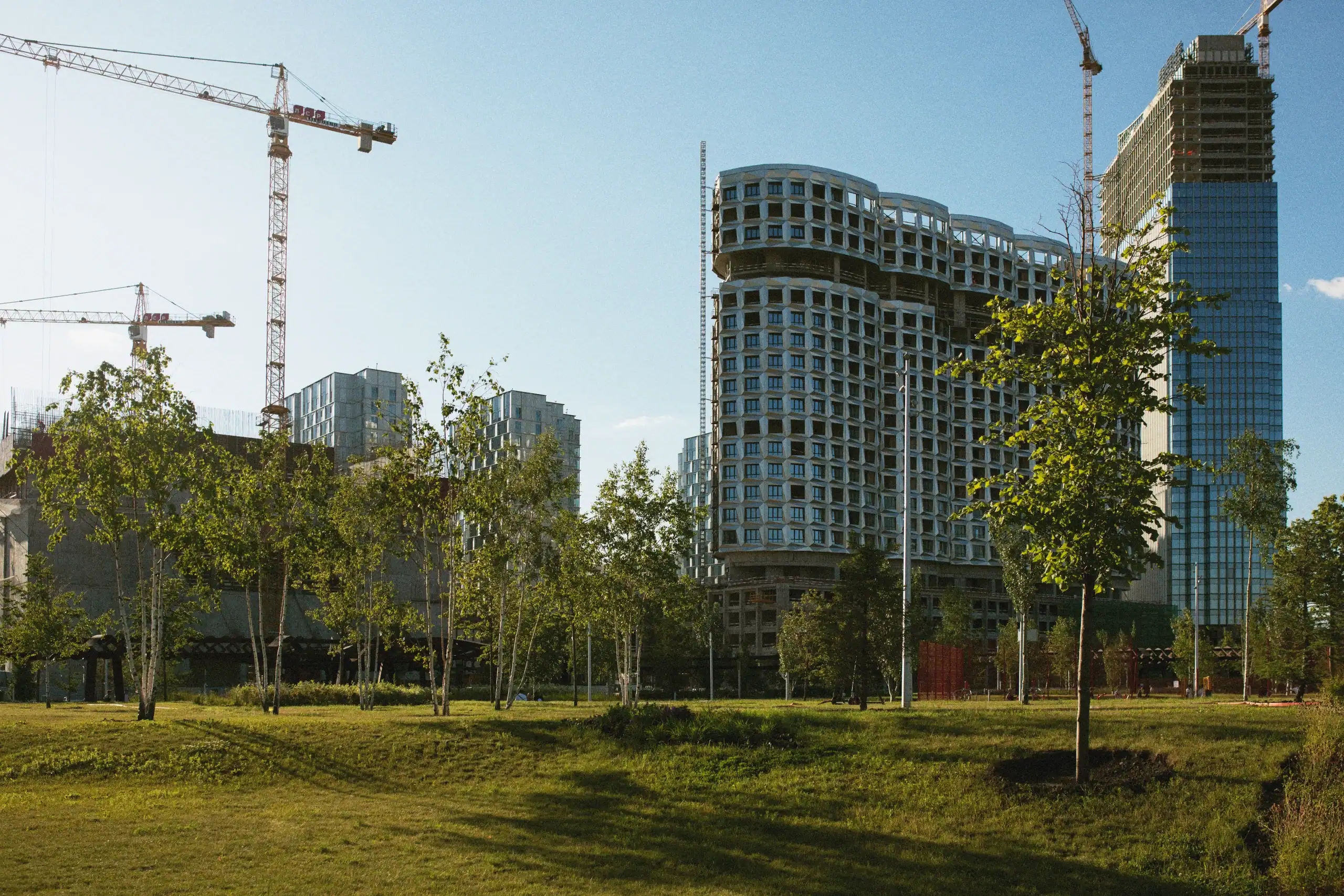
Green Building Practices in EPC Projects: Building Smarter, Greener, and Future-Ready
Key Takeaways
- Green Building practices are essential in EPC projects, enhancing sustainability and reducing environmental impact.
- Benefits include cost efficiency, regulatory compliance, increased asset value, and improved occupant well-being.
- EPC contractors play a crucial role in integrating sustainable practices from the start of projects.
- Key strategies involve sustainable site planning, energy-efficient designs, water conservation, and smart building technologies.
- Future trends include net-zero buildings, green certifications, digital integration, and circular construction, all pushing for advanced sustainability.
Overview
Sustainability is no longer an extraordinary term in the construction businesses—it is a necessity. These days, environmental concerns intensify and regulatory frameworks become stricter, Engineering, Procurement, and Construction (EPC) projects are steadily changing its pace toward greener, more responsible practices. Today, green building is not just about reducing environmental impact; it is about creating efficient, cost-effective, and human-centric infrastructure that stands the test of time.
In this blog, we will dive into how green building practices are being integrated into EPC projects, why they matter, and how they create long-term value for businesses, communities, and the environment.
Understanding the Green Building in EPC Context
At its core, green building in EPC means to designing, constructing, and operating structures in a methods that reduces or eliminates environmental impact while fueling an efficiency and occupant well-being. In EPC projects, this approach must be embedded right from the planning phase through procurement and execution.
Unlike orthodox construction methods, where sustainability is often treated as an afterthought or beyond, EPC projects gives a unique advantage. Since a single contractor manages the entire lifecycle—from design to delivery—it becomes easier process to integrate sustainable practices holistically.
As a result, EPC-driven green buildings tend to be more aligned, efficient, and performance-oriented.
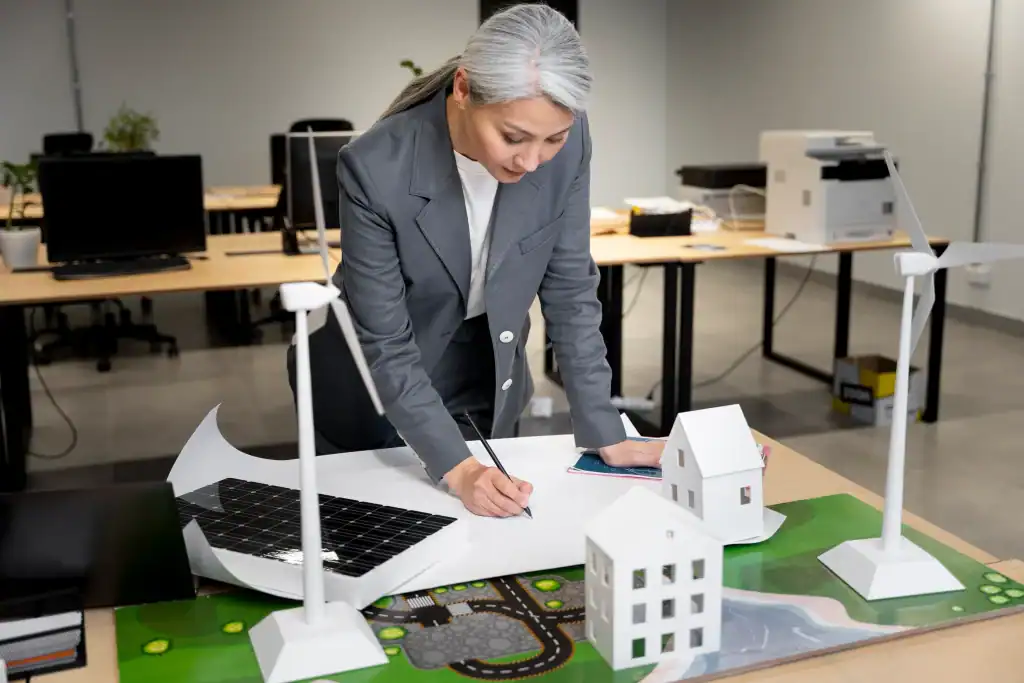
Why Green Building Practices Matter in EPC Projects?
The switch to the green construction is not just running by environmental responsibility. It is also boosted by tangible business benefits.
1. Cost Efficiency Over Time
While green buildings may needs slightly higher initial investment, they remarkably reduce operational costs. Energy-efficient systems, optimized water usage, and durable materials lead to lower utility bills and maintenance expenses.
2. Regulatory Compliance
Governments are gradually mandating sustainable construction standards to ensure elimination in environmental damages. By initiating green practices in an early stage, EPC contractors can ensure compliance and avoid future penalties or redesign costs effectively.
3. Enhanced Asset Value
Green-certified buildings often command higher market value. Investors and tenants prefer sustainable infrastructure due to its long-term cost savings and environmental benefits.
4. Improved Occupant Well-being
Better air quality, natural lighting, and thermal comfort directly impact productivity and health—especially in industrial and commercial setups.
Clearly, green building is not just good for the planet—it makes solid business sense.
Key Green Building Practices in Projects by EPC Vendors
Let’s break down the most impactful strategies EPC contractors use to deliver sustainable infrastructure.
1. Sustainable Site Planning
Everything begins with the site. A well-planned site can significantly reduce environmental disruption.
- Selecting locations that minimize ecological damage
- Preserving natural vegetation where possible
- Designing layouts that optimize sunlight and airflow
- Reducing heat island effect through landscaping
By making thoughtful decisions early, EPC teams can set the foundation for a greener project.
2. Energy-Efficient Design and Systems
Energy consumption is one of the biggest contributors to a building’s environmental footprint. Therefore, EPC projects increasingly prioritize energy efficiency.
- Use of high-performance insulation
- Installation of energy-efficient HVAC systems
- Smart lighting systems (LED + automation)
- Integration of renewable energy sources like solar panels
Moreover, digital tools such as Building Information Modeling (BIM) help simulate energy performance before construction even begins. This ensures smarter decision-making and reduced energy waste.
3. Water Conservation Strategies
Water scarcity is becoming a critical issue, especially in industrial zones. EPC projects now incorporate advanced water management systems.
- Rainwater harvesting systems
- Low-flow fixtures and smart plumbing
- Wastewater treatment and recycling
- Efficient irrigation systems for landscaping
As a result, these practices not only conserve water but also reduce dependency on external water sources.
4. Sustainable Material Procurement
Procurement plays a crucial role in EPC projects. Choosing the right materials can significantly reduce environmental impact.
- Use of recycled and locally sourced materials
- Low-VOC (Volatile Organic Compounds) paints and finishes
- Certified sustainable wood and eco-friendly alternatives
- Prefabricated components to reduce waste
Additionally, sourcing materials locally reduces transportation emissions and supports regional economies.
5. Waste Management During Construction
Construction activities generate a significant amount of waste. However, EPC contractors can minimize this through effective planning.
- Segregation of waste at the source
- Recycling and reusing materials wherever possible
- Reducing over-ordering through precise procurement
- Using modular construction techniques
Consequently, this approach not only reduces landfill waste but also improves project efficiency.
6. Smart Building Technologies
Technology is transforming how buildings operate. Smart systems enable real-time monitoring and optimization.
- IoT-enabled energy management systems
- Automated lighting and climate control
- Predictive maintenance tools
- Integrated building management systems (BMS)
These technologies ensure that buildings remain efficient throughout their lifecycle, not just during construction.
7. Indoor Environmental Quality (IEQ)
A truly green building is not just eco-friendly—it is also people-friendly.
- Maximizing natural daylight
- Ensuring proper ventilation
- Using non-toxic materials
- Maintaining thermal comfort
In manufacturing units and warehouses, this becomes even more critical, as worker productivity and safety depend heavily on the indoor environment.
8. Lifecycle Thinking and Design
Green EPC projects adopt a lifecycle approach rather than focusing only on construction.
- Designing for durability and longevity
- Planning for easy maintenance and upgrades
- Considering end-of-life recycling or reuse
This ensures that the building remains sustainable throughout its entire lifespan.
Challenges in Implementing Green Building Practices
Despite the clear benefits, adopting green building practices in EPC projects is not without challenges.
1. Higher Initial Costs
Clients often hesitate due to upfront investment, even though long-term savings outweigh these costs.
2. Lack of Awareness
Not all stakeholders fully understand the value of sustainable construction.
3. Supply Chain Limitations
Access to certified green materials can sometimes be limited, especially in certain regions.
4. Skilled Workforce Requirement
Initiating advanced technologies and sustainable practices requires trained professionals.
However, these challenges are gradually diminishing as awareness increases and technologies become more reachable.
Role of EPC Contractors in Driving Sustainable Construction
EPC contractors contributes an important role in moulding the future of sustainable infrastructure. Since they oversee the entire project lifecycle, they can:
- Integrate sustainability with an epc project from day one
- Optimize design and procurement decisions as per sustainability standards.
- Ensure efficient execution
- Maintain quality and compliance
More importantly, they act as advisors to clients, helping them understand the long-term benefits of green construction.
Future Trends in Green EPC Projects
The future of green building in EPC projects looks promising. Several emerging trends are set to redefine the industry.
1. Net-Zero Buildings
Buildings that create as much energy as they consume are becoming increasingly popular.
2. Green Certifications
Standards like LEED and IGBC are gaining traction, pushing businesses toward sustainable practices to control environmental damages.
3. Digital Integration
AI, IoT, and data analytics will further enhance building efficiency and performance of the project.
4. Circular Construction
Reusing materials and designing for deconstruction will become more common, as the proposed re-engineering theory will be the foundation.
As these trends evolve, EPC projects will become even more diciplined with sustainability goals.
Conclusion
Green building practices in EPC projects are no longer optional—they are necessity nowl. By accomodating sustainability into every stage of the project lifecycle, EPC contractors can deliver infrastructure that is efficient, resilient, and future-ready.
From energy efficiency and water conservation to advance technologies and human-first design, each element contributes to a larger goal: building spaces that serve both people and the surrounding.
Ultimately, the switch toward green EPC projects is not just about minimizing environmental impact. It is about developing smarter systems, getting improved quality of life, and ensuring long-term value for businesses building strong relationships.
The construction businesses stands at an very important turning point. Those who adopt green practices today will lead the future infrastructure landscape.