
Key Takeaways
- EPC Factory Construction streamlines industrial projects by integrating engineering, procurement, and construction into one accountable framework.
- This approach enhances project efficiency, reduces coordination gaps, and ensures cost control and quality consistency.
- Each phase of EPC focuses on optimizing both design and execution, from site evaluation to final handover.
- Carbyne Infrastructure exemplifies effective EPC practices, aligning operational needs with construction to support future-ready facilities.
- Sustainability is a core principle, incorporating energy-efficient solutions and materials to lower long-term operational costs.
End-to-End EPC Services for Factory and Warehouse Construction
Nowadays,Industrial growth depends upon some most influential parameters on how efficiently factories and warehouses are planned, built, and operationalized. Whether it is a manufacturing unit, a logistics hub, or a large distribution center, hectic timelines, cost certainty, and execution quality directly influence business performance. At this time where end-to-end EPC constitutions play a defining role.
EPC—Engineering, Procurement, and Construction—provides a single-point solution that simplifies complicated industrial projects. Instead of managing multiple consultants and contractors, organizations partner with one accountable entity that delivers from concept to commissioning. As a result, coordination improves, risks reduce, and delivery becomes predictable.
Organizations like Carbyne Infrastructure, with having pioneerity in industrial and infrastructure projects, follow this integrated EPC approach to ensure that factory and warehouse developments meet both operational and commercial objectives.

Understanding End-to-End EPC Services
To begin with, end-to-end EPC means total ownership of the project lifecycle.
An EPC partner is responsible for:
- Engineering and detailed design
- Strategic procurement of materials and equipment
- Construction and execution
- Testing, commissioning, and handover
Because all phases operate under one management structure, EPC eliminates silos. Consequently, engineering decisions align seamlessly with procurement timelines and on-site execution. This integrated workflow is especially critical for industrial buildings, where design accuracy directly impacts productivity.
At Carbyne Infrastructure, EPC execution focuses on aligning technical design with real-world operational needs, ensuring that facilities perform efficiently long after handover.
Why EPC Is the Preferred Model for Factories and Warehouses
Factories and warehouses are fundamentally different from conventional buildings. They demand precision engineering, high load capacity, workflow efficiency, and strict compliance.
Key Advantages of EPC for Industrial Projects
- Centralized accountability reduces coordination gaps
- Faster decision-making accelerates timelines
- Cost control improves through early-stage planning
- Quality consistency remains intact across phases
Because EPC contractors manage every stage, projects avoid delays caused by fragmented responsibility. As a result, factory owners and logistics operators gain clarity and control throughout the project lifecycle.
Phase 1: Engineering – Designing for Performance and Scalability
Engineering forms the foundation of any successful industrial project. Without a robust design strategy, even the best construction execution falls short.
Site Evaluation and Feasibility Planning
Every project begins with a detailed site analysis. EPC teams assess:
- Soil bearing capacity
- Site accessibility and logistics
- Availability of power and water
- Local statutory requirements
Based on these insights, the design framework takes shape. At Carbyne Infrastructure, engineering teams focus on minimizing future operational constraints by addressing site challenges early in the planning phase.
Functional Architectural and Structural Design
Industrial design prioritizes function over form. Therefore, EPC-led engineering emphasizes:
- Optimized layouts for smooth material flow
- Column spacing that supports warehousing efficiency
- Structural strength for heavy machinery and racking systems
- Provisions for future expansion
Instead of static designs, EPC engineers create flexible layouts that support evolving business needs.
Integrated MEP Planning
Factories and warehouses depend heavily on reliable MEP systems. EPC teams integrate:
- Electrical load planning
- HVAC and ventilation systems
- Plumbing and drainage
- Fire detection and suppression systems
Since MEP coordination starts at the design stage, construction conflicts reduce significantly. Consequently, execution remains smooth and cost-efficient.
Phase 2: Procurement – Strategic Sourcing That Adds Value
Procurement is more than purchasing materials. In EPC, it is a strategic function that directly impacts timelines, quality, and cost.
Vendor Selection and Quality Control
Experienced EPC contractors maintain strong vendor networks. This allows them to source:
- Structural steel
- PEB components
- Electrical and mechanical equipment
- Specialized industrial systems
Carbyne Infrastructure leverages long-standing supplier relationships to ensure material reliability while maintaining cost efficiency.
Value Engineering for Cost Optimization
One of the biggest advantages of EPC procurement is value engineering. Engineers and procurement teams work together to:
- Identify alternative materials
- Optimize specifications
- Reduce lifecycle costs
Therefore, projects remain budget-conscious without compromising durability or performance.
Logistics and Scheduling Alignment
EPC teams synchronize procurement schedules with construction milestones. As a result, materials arrive exactly when needed, avoiding delays, storage challenges, and idle manpower.
Phase 3: Construction – Precision Execution on Ground
Construction translates plans into reality. Under the EPC model, execution follows a disciplined, milestone-driven approach.
- Project Management and Site Coordination
- From mobilization to completion, EPC contractors deploy:
- Dedicated project managers
- Site engineers and supervisors
- Safety and quality officers
Clear communication channels and real-time monitoring ensure that projects remain on track. At Carbyne Infrastructure, structured reporting and proactive issue resolution help maintain schedule certainty.
Civil, Structural, and Industrial Works
Industrial construction typically includes:
- Heavy-duty foundations
- High-load industrial flooring
- Large-span structures
- Crane girders and mezzanine systems
- Strict quality checks ensure structural integrity and long-term durability.
PEB and Roofing Systems
Modern warehouses often rely on pre-engineered buildings for speed and scalability. EPC contractors manage fabrication, erection, and alignment, ensuring accurate installation and faster completion.
Safety and Compliance: Built Into Every Stage
Industrial construction carries inherent safety risks. Therefore, EPC contractors prioritize safety at every step.
- Robust Safety Systems
- EPC firms implement:
- Regular safety training
- PPE enforcement
- Toolbox talks
- Emergency preparedness plans
This proactive approach significantly reduces incidents and downtime.
Regulatory and Statutory Compliance
Factories and warehouses must comply with:
- Fire and life safety norms
- Factory Act regulations
- Environmental guidelines
- Local authority approvals
Experienced EPC partners, including Carbyne Infrastructure, manage statutory coordination efficiently, allowing clients to focus on core business operations.
Commissioning and Handover: From Development to Operations
EPC responsibility does not end with construction completion.
Testing and Commissioning
Before handover, EPC teams conduct:
- Electrical and load testing
- Fire system validation
- HVAC performance checks
- Utility commissioning
- This ensures the facility operates smoothly from day one.
- Documentation and Knowledge Transfer
Clients receive: As-built drawings
- Equipment manuals
- Maintenance schedules
Additionally, EPC partners often provide training to operational teams, ensuring a smooth transition.
Why Businesses Choose End-to-End EPC Partners
End-to-end EPC offers tangible benefits for industrial clients:
- Single point of accountability
- Faster project delivery
- Cost transparency and predictability
- Higher quality and safety standards
For companies investing in factories or warehouses, EPC is not just a construction model—it is a strategic advantage.
EPC for Warehousing: Supporting Modern Supply Chains facility
Warehousing has evolved rapidly with the growth of e-commerce and organized logistics. EPC services now support:
- High-bay storage facilities
- Automated warehousing systems
- Cold storage and controlled environments
- Energy-efficient infrastructure
Carbyne Infrastructure’s EPC expertise aligns warehousing design with operational efficiency, ensuring facilities remain future-ready.
EPC for Factories: Enabling Manufacturing Excellence
Factories demand precision, scalability, and efficiency. EPC-led factory construction focuses on:
- Production workflow optimization
- Machine integration planning
- Expansion readiness
- Energy and utility efficiency
As a result, manufacturing units built under EPC models adapt better to growth and technological upgrades.
Sustainability as a Core EPC Principle
Sustainability has become strongly linked to industrial construction. EPC contractors incorporate:
- Energy-efficient lighting systems
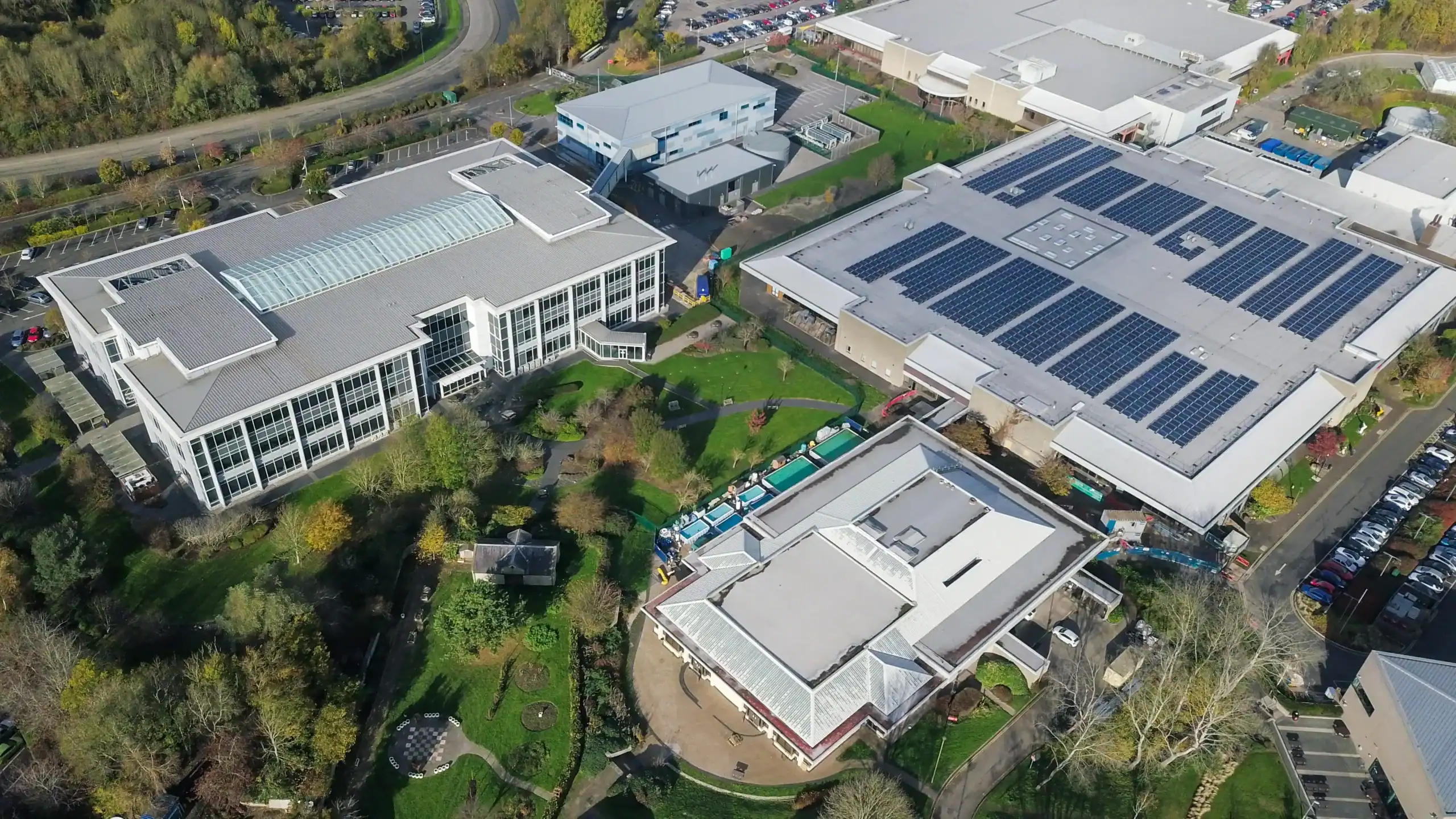
- Solar-ready roofing solutions
- Water conservation measures
- Low-maintenance materials
These practices reduce long-term operational costs while supporting environmental responsibility.
Choosing the Right EPC Partner
Selecting the right EPC partner determines project success.
Look for:
- Proven industrial project experience
- Strong in-house engineering capabilities
- Transparent communication
- Safety-first culture
- Post-project support
A partner like Carbyne Infrastructure approaches EPC not as a transaction, but as a long-term collusion.
Conclusion
End-to-end EPC factory construction have redefined how manufacturing units and warehouses are getting developed. By joining the synergies of engineering, procurement, and construction under one united framework, EPC delivers speed, quality, and certainty with the given phase of time.
In an increasingly competitive industrial landscape, organizations need partners who understand both infrastructure and business outcomes. With experienced EPC pioneers such as Carbyne Infrastructure, industrial projects move beyond construction—toward sustainable, scalable, and future-ready operations.
Estimated reading time: 7 minutes
Leave A Comment