
Infrastructure Development in India: Overview
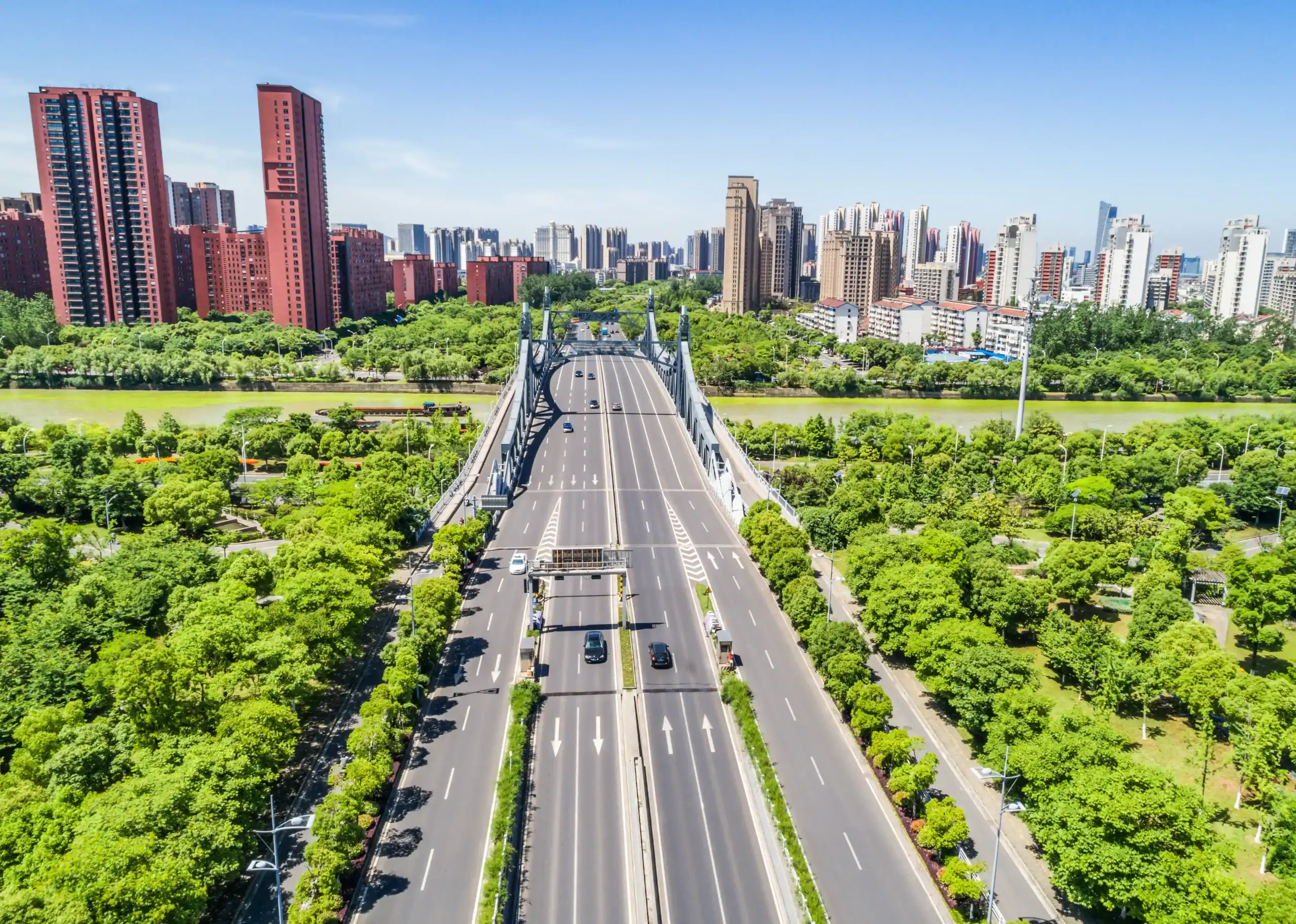
India is witnessing one of the fastest infrastructure transformations in the world. Over the last decade, the country has invested the major part of economy in roads, highways, railways, airports, ports, renewable energy, water supply systems, urban infrastructure, and digital connectivities. These investments are not merely about constructing physical assets—they are laying the foundation for sustained economical growth, improved quality of life, and stronger global competitiveness.
As India moves towards becoming a USD 5 trillion economy, infrastructure development has emerged as a critical growth driver. Efficient transportation networks, reliable energy systems, modern industrial corridors, and smart urban planning are essential for supporting businesses, attracting investments, and creating employment opportunities.
Moreover, infrastructure plays a significant role in connecting rural and urban regions, reducing logistics costs, and enabling seamless movement of goods and people. Every new highway, metro line, renewable energy project, or water supply system contributes to national development while improving the lives of millions.
Nowadays , infrastructure development in India extends beyond traditional construction. It increasingly focuses on sustainability, digital transformation, smart technologies, and resilient engineering solutions. Consequently, public and private sector organizations are adopting innovative construction methods, automation, and environmentally responsible practices to meet the country’s growing infrastructure demands.
What is Infrastructure Development?
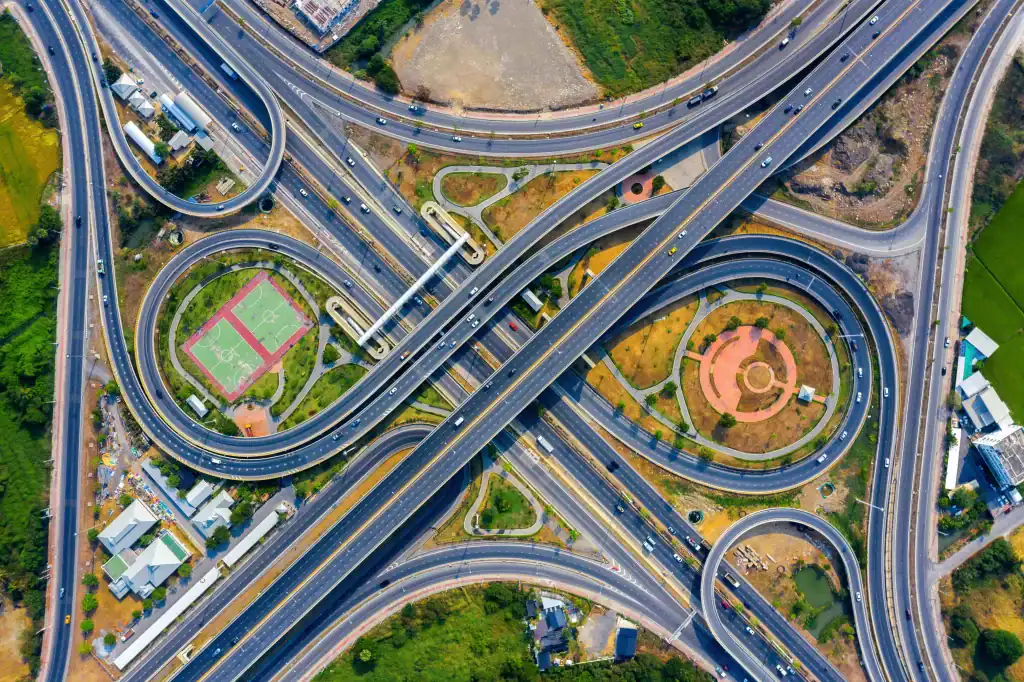
Infrastructure development tends to the planning, construction, modernization, and maintenance of the physical and organizational facilities that support economic activities and public services. These assets enable businesses to operate efficiently while improving the standard of living for citizens.
Infrastructure generally consists of two major categories:
Economic Infrastructure
Economic infrastructure directly supports industrial and commercial activities.
It includes:
- Roads and highways
- Railways
- Airports
- Ports
- Power generation and transmission
- Renewable energy projects
- Industrial parks
- Warehousing and logistics
- Digital infrastructure
These facilities improve productivity, facilitate trade, and enhance national competitiveness.
Social Infrastructure
Social infrastructure focuses on improving public welfare and community development.
Examples include:
- Hospitals
- Schools
- Universities
- Housing projects
- Water supply systems
- Sanitation facilities
- Public parks
- Community centers
Both economic and social infrastructure are equally important because sustainable development depends on balanced investments across sectors.
Why Infrastructure Development is Important in India
Infrastructure is often called the backbone of a nation’s economy. A robust infrastructure network supports businesses, creates employment, and improves overall productivity.
1. Boosts Economic Growth
Every infrastructure project generates economic activity. Construction projects require materials, labor, machinery, transportation, and engineering services, creating opportunities across multiple industries.
Furthermore, improved infrastructure attracts domestic and foreign investments, which further accelerates industrial growth.
2. Generates Employment
Infrastructure projects create both direct and indirect employment opportunities.
For example:
- Civil engineers
- Project managers
- Construction workers
- Surveyors
- Architects
- Equipment operators
- Material suppliers
- Logistics providers
As projects expand nationwide, thousands of skilled and unskilled workers benefit from increased employment.
3. Improves Connectivity
Efficient transportation networks reduce travel time and logistics costs.
Modern highways, expressways, metro systems, airports, and ports allow businesses to transport goods faster while enabling citizens to travel more conveniently.
Improved connectivity also promotes regional development by integrating remote areas into the national economy.
4. Supports Industrial Development
Manufacturing industries rely heavily on quality infrastructure.
Industrial corridors, logistics parks, warehouses, and reliable power supply improve operational efficiency and reduce production costs.
Consequently, businesses become more competitive in domestic and international markets.
5. Enhances Quality of Life
Infrastructure directly impacts everyday life.
Reliable water supply, sanitation, healthcare facilities, public transportation, and digital connectivity improve living standards while promoting inclusive development.
6. Encourages Sustainable Growth
Modern infrastructure increasingly incorporates sustainable construction practices.
Examples include:
- Solar power plants
- Green buildings
- Rainwater harvesting
- Smart water management
- Energy-efficient transportation systems
- Waste management facilities
These initiatives help reduce environmental impact while supporting long-term development.
Current State of Infrastructure Development in India
India has significantly increased its infrastructure spending over the past decade.
Several ambitious national programs are reshaping the country’s infrastructure landscape.
Key areas witnessing rapid growth include:
Road Infrastructure
Thousands of kilometers of national highways and expressways are under construction to improve interstate connectivity and reduce logistics costs.
Projects such as expressways, bypasses, and economic corridors continue to strengthen India’s transportation network.
Railway Modernization
The Indian railway network is undergoing extensive modernization through:
- Dedicated freight corridors
- High-speed rail projects
- Railway station redevelopment
- Electrification
- Advanced signaling systems
These improvements aim to enhance efficiency, safety, and passenger experience.
Renewable Energy Infrastructure
India has become one of the fastest-growing renewable energy markets globally.
Significant investments are being made in:
- Solar parks
- Wind farms
- Hybrid renewable energy systems
- Battery storage
- Green hydrogen projects
This transition supports energy security while reducing carbon emissions.
Urban Infrastructure
Rapid urbanization has increased demand for:
- Smart cities
- Metro rail systems
- Affordable housing
- Sewage treatment plants
- Water supply projects
- Intelligent traffic management
Urban infrastructure development is becoming increasingly technology-driven and citizen-centric.
Digital Infrastructure
Digital connectivity has become an essential component of modern infrastructure.
Expansion of:
- Fiber optic networks
- 5G connectivity
- Data centers
- Digital public services
is accelerating India’s digital transformation.
How Companies Like Carbyne Infrastructure Contribute
Infrastructure development requires experienced EPC companies capable of delivering complex projects with quality, safety, and efficiency.
Carbyne Infrastructure contributes to India’s infrastructure growth by delivering engineering, procurement, and construction (EPC) solutions across multiple sectors. Its expertise spans roads, water supply systems, renewable energy, industrial infrastructure, and civil construction projects. By focusing on timely execution, technical excellence, and sustainable engineering practices, Carbyne Infrastructure supports the country’s vision of building resilient and future-ready infrastructure.
Major Sectors Driving Infrastructure Development in India
India’s infrastructure growth is powered by multiple sectors that work together to strengthen the country’s economy. Each sector contributes to improving connectivity, industrial productivity, and the overall quality of life. As a result, balanced development across these sectors is essential for sustainable economic progress.
1. Road and Highway Infrastructure
Road infrastructure forms the backbone of India’s transportation network. With one of the largest road networks globally, India continues to invest significantly in highways, expressways, bridges, and rural roads to improve connectivity and reduce logistics costs.
Well-developed highways not only facilitate faster movement of goods but also support tourism, manufacturing, agriculture, and regional economic development.
Key Developments
- National Highways expansion
- Greenfield Expressways
- Multi-lane economic corridors
- Border Roads
- Rural road connectivity
- Intelligent traffic management systems
Benefits
- Reduced travel time
- Lower fuel consumption
- Improved logistics efficiency
- Increased investment opportunities
- Better rural connectivity
Companies like Carbyne Infrastructure contribute to road development by delivering quality EPC solutions with a strong focus on engineering excellence, timely execution, and sustainable construction practices.
2. Railway Infrastructure
Indian Railways is undergoing one of its biggest modernization programs. The government is investing in faster, safer, and more efficient rail transportation to support passenger mobility and freight movement.
Major projects include:
- Dedicated Freight Corridors
- Station Redevelopment
- Railway Electrification
- Semi High-Speed Rail
- Bullet Train Project
- Advanced Signaling Systems
Modern railway infrastructure reduces logistics costs while improving industrial competitiveness.
3. Water Infrastructure
Access to clean drinking water remains one of India’s top development priorities.
Water infrastructure includes:
- Drinking water supply schemes
- Water treatment plants
- Distribution networks
- Sewerage systems
- Wastewater treatment
- Irrigation projects
- Smart water management
Large-scale water supply projects help improve public health while supporting agriculture and industrial growth.
As an EPC company, Carbyne Infrastructure actively contributes to water infrastructure projects by delivering integrated engineering and construction solutions for water supply systems that enhance access to safe drinking water and improve community well-being.
4. Renewable Energy Infrastructure
India is rapidly transitioning towards clean energy.
Renewable infrastructure includes:
- Solar Power Plants
- Wind Energy Projects
- Floating Solar Parks
- Battery Energy Storage Systems
- Green Hydrogen Infrastructure
- Solar Rooftop Installations
The shift towards renewable energy helps reduce carbon emissions while strengthening India’s energy security.
5. Industrial Infrastructure
Industrial infrastructure supports manufacturing and economic expansion.
Major components include:
- Industrial Parks
- Manufacturing Clusters
- Logistics Parks
- Warehousing Facilities
- Industrial Corridors
- Cold Storage Networks
These developments encourage domestic manufacturing and attract foreign investment.
6. Urban Infrastructure
Rapid urbanization has increased the demand for modern cities.
Urban infrastructure includes:
- Metro Rail
- Smart Cities
- Affordable Housing
- Smart Roads
- Urban Water Supply
- Stormwater Drainage
- Waste Management Systems
- Smart Street Lighting
Smart urban planning improves the quality of life while making cities more resilient and sustainable.
7. Digital Infrastructure
Digital infrastructure has become equally important as physical infrastructure.
Key components include:
- 5G Networks
- Fiber Optic Connectivity
- Data Centers
- Cloud Infrastructure
- Smart Governance Platforms
- Digital Public Services
Digital infrastructure enables businesses to operate efficiently while improving access to education, healthcare, and financial services.
Government Initiatives Accelerating Infrastructure Development
The Government of India has launched several flagship initiatives to modernize the country’s infrastructure and enhance economic competitiveness.
PM Gati Shakti National Master Plan
PM Gati Shakti is an integrated infrastructure planning initiative designed to improve coordination among various ministries.
Objectives
- Multi-modal connectivity
- Faster project execution
- Reduced logistics costs
- Better infrastructure planning
- Digital project monitoring
The initiative aims to improve connectivity between roads, railways, airports, ports, and logistics hubs.
Bharatmala Pariyojana
Bharatmala focuses on improving India’s highway infrastructure.
Key Objectives
- Economic Corridors
- Border Roads
- Coastal Roads
- Expressways
- National Highway Expansion
This initiative strengthens freight movement while improving regional connectivity.
Sagarmala Programme
Sagarmala focuses on port-led development.
Major components include:
- Port modernization
- Coastal economic zones
- Inland waterways
- Port connectivity
- Logistics efficiency
The program aims to reduce transportation costs while boosting exports.
Smart Cities Mission
The Smart Cities Mission aims to transform urban areas through technology-driven development.
Key focus areas include:
- Smart mobility
- Digital governance
- Smart water management
- Waste management
- Green spaces
- Public safety
- Energy-efficient infrastructure
These initiatives improve urban living standards while promoting sustainable development.
Jal Jeevan Mission
The Jal Jeevan Mission focuses on providing safe drinking water to rural households.
Major objectives include:
- Household tap water connections
- Water quality monitoring
- Sustainable water supply systems
- Community participation
The mission has significantly improved rural water accessibility across India.
The National Infrastructure Pipeline identifies long-term infrastructure projects across various sectors.
It focuses on:
- Roads
- Railways
- Airports
- Urban Development
- Energy
- Water Resources
- Digital Infrastructure
The program encourages both public and private sector participation.
Public-Private Partnerships have become a preferred model for executing large infrastructure projects.
Under the PPP model:
- Government provides policy support.
- Private companies bring technical expertise.
- Financial risks are shared.
- Projects are completed more efficiently.
Benefits of PPP
- Faster execution
- Better technology adoption
- Improved project quality
- Reduced government expenditure
- Higher operational efficiency
PPP has been instrumental in developing highways, airports, metro rail systems, ports, and urban infrastructure.
Investment Trends in Indian Infrastructure
India continues to attract substantial domestic and international investments in infrastructure.
Key Investment Drivers
- Government capital expenditure
- Foreign Direct Investment (FDI)
- Public-Private Partnerships
- Sovereign wealth funds
- Infrastructure Investment Trusts (InvITs)
- Green financing
Investments are increasingly directed toward sustainable and technology-enabled infrastructure projects.
Emerging Trends Shaping Infrastructure Development
The future of infrastructure in India is driven by innovation and sustainability.
Key trends include:
Green Construction
Builders are adopting eco-friendly materials, energy-efficient technologies, and sustainable construction methods to minimize environmental impact.
Smart Infrastructure
The integration of IoT, Artificial Intelligence (AI), and data analytics enables real-time monitoring, predictive maintenance, and improved operational efficiency.
Building Information Modeling (BIM)
BIM enhances project planning, collaboration, and cost management while reducing construction errors.
Modular Construction
Prefabricated construction methods improve efficiency, reduce waste, and accelerate project delivery.
Renewable Energy Integration
Infrastructure projects increasingly incorporate solar, wind, and hybrid energy systems to support long-term sustainability.
The Role of EPC Companies in Nation Building
Engineering, Procurement, and Construction (EPC) companies play a vital role in transforming infrastructure plans into reality.
Their responsibilities include:
- Engineering design
- Procurement of materials
- Project execution
- Quality assurance
- Safety management
- Timely project delivery
- Cost optimization
Organizations such as Carbyne Infrastructure contribute significantly by delivering integrated EPC solutions across roads, water supply, renewable energy, industrial infrastructure, and civil construction. Through technical expertise, efficient project management, and a commitment to sustainable practices, the company supports India’s infrastructure ambitions and contributes to building resilient, future-ready assets.
Challenges in Infrastructure Development in India
Despite remarkable progress, infrastructure development in India still faces several challenges. Addressing these issues is essential to ensure timely project completion, cost efficiency, and sustainable growth.
1. Land Acquisition Challenges
Land acquisition remains one of the biggest hurdles for infrastructure projects. Delays often arise due to legal disputes, compensation concerns, and environmental clearances.
Common Issues
- Ownership disputes
- Rehabilitation and resettlement challenges
- Delayed government approvals
- Environmental restrictions
Solution
A transparent land acquisition process, digital land records, and active stakeholder engagement can significantly reduce project delays.
2. Project Delays
Many infrastructure projects exceed their planned timelines due to multiple factors.
Major Reasons
- Delayed approvals
- Funding constraints
- Material shortages
- Skilled labor shortages
- Design modifications
- Weather-related disruptions
Project delays increase construction costs and affect overall economic productivity.
Best Practice
Using modern project management tools such as Building Information Modeling (BIM) and digital scheduling software helps improve planning and execution.
3. Rising Construction Costs
The prices of essential construction materials fluctuate due to market conditions.
These include:
- Cement
- Steel
- Bitumen
- Diesel
- Electrical equipment
- Machinery
Unexpected price increases directly impact project budgets.
Solution
- Long-term procurement contracts
- Vendor diversification
- Efficient inventory management
- Digital procurement systems
4. Environmental Concerns
Infrastructure projects often affect natural ecosystems.
Challenges include:
- Deforestation
- Air pollution
- Water pollution
- Carbon emissions
- Construction waste
Today, environmental sustainability has become a mandatory consideration during project planning.
5. Skilled Workforce Shortage
India requires a large pool of skilled professionals to execute increasingly complex infrastructure projects.
High-demand professionals include:
- Civil Engineers
- Structural Engineers
- BIM Specialists
- Quantity Surveyors
- Project Managers
- Environmental Consultants
- Safety Engineers
Investing in workforce training and upskilling is essential for improving project quality and productivity.
6. Financing Large Infrastructure Projects
Infrastructure projects require substantial capital investments.
Funding challenges include:
- Long project gestation periods
- High financial risks
- Interest rate fluctuations
- Limited private investment in some sectors
Innovative financing models and public-private partnerships can help bridge the funding gap.
Emerging Technologies Transforming Infrastructure Development
Technology is reshaping the construction and infrastructure industry. Companies are increasingly adopting digital solutions to improve efficiency, reduce costs, and enhance project quality.
1. Building Information Modeling (BIM)
BIM creates a digital representation of an infrastructure project before construction begins.
Benefits
- Better collaboration
- Clash detection
- Accurate cost estimation
- Improved project scheduling
- Reduced construction errors
- Better facility management
BIM has become an industry standard for managing complex infrastructure projects.
2. Artificial Intelligence (AI)
Artificial Intelligence is helping EPC companies make smarter decisions.
Applications include:
- Predictive maintenance
- Construction scheduling
- Risk analysis
- Resource optimization
- Quality inspections
- Safety monitoring
AI also improves project forecasting by analyzing historical construction data.
3. Internet of Things (IoT)
IoT enables real-time monitoring of infrastructure assets through connected sensors.
Examples include:
- Smart bridges
- Intelligent highways
- Smart water distribution
- Energy monitoring
- Equipment health monitoring
These technologies improve operational efficiency while reducing maintenance costs.
4. Drone Technology
Drones have become an essential tool for modern infrastructure projects.
They are used for:
- Land surveys
- Progress monitoring
- Site inspections
- Volume calculations
- Safety inspections
Drone mapping significantly reduces survey time while improving accuracy.
5. Geographic Information System (GIS)
GIS helps engineers analyze geographical and spatial data.
Applications include:
- Route planning
- Utility mapping
- Environmental assessment
- Disaster management
- Urban planning
GIS improves planning accuracy and minimizes project risks.
6. Digital Twins
A Digital Twin is a virtual replica of a physical infrastructure asset.
Benefits include:
- Real-time monitoring
- Predictive maintenance
- Performance optimization
- Lifecycle management
- Improved operational efficiency
Digital Twins are increasingly being adopted for airports, metro systems, bridges, and industrial facilities.
Sustainability: The Future of Infrastructure
Modern infrastructure development is no longer focused solely on construction. Sustainability has become equally important.
Green infrastructure minimizes environmental impact while ensuring long-term economic benefits.
Green Building Practices
Construction companies are increasingly adopting sustainable practices such as:
- Energy-efficient buildings
- Rainwater harvesting
- Solar power integration
- Natural ventilation
- Green roofing
- Water recycling
- Sustainable construction materials
These practices reduce operational costs while improving environmental performance.
Renewable Energy Integration
Infrastructure projects now incorporate renewable energy wherever possible.
Examples include:
- Solar-powered highways
- Solar street lighting
- Wind energy integration
- Electric vehicle charging infrastructure
- Hybrid energy systems
Renewable energy reduces dependence on conventional power sources.
ESG in Infrastructure
Environmental, Social, and Governance (ESG) principles are becoming a critical part of infrastructure development.
Environmental
- Reduced emissions
- Waste management
- Water conservation
- Energy efficiency
Social
- Worker safety
- Community development
- Employment generation
- Inclusive infrastructure
Governance
- Transparency
- Compliance
- Ethical procurement
- Risk management
Companies following ESG principles are more attractive to investors and global stakeholders.
Economic Impact of Infrastructure Development
Infrastructure investment creates a multiplier effect across the economy.
1. Employment Generation
Infrastructure projects create millions of jobs across construction, engineering, manufacturing, transportation, and services.
2. Industrial Growth
Improved logistics and transportation encourage industrial expansion.
Manufacturers benefit from:
- Faster deliveries
- Lower transportation costs
- Improved supply chain efficiency
3. Increased Foreign Investment
Global investors prefer countries with strong infrastructure because it reduces operational risks and improves business efficiency.
4. Higher GDP Growth
Infrastructure investment directly contributes to economic growth by increasing productivity, improving connectivity, and supporting industrial development.
5. Rural Development
Infrastructure projects improve access to:
- Education
- Healthcare
- Markets
- Banking
- Digital services
As a result, rural communities experience better economic opportunities and improved quality of life.
Future Opportunities in India’s Infrastructure Sector
India’s infrastructure sector offers significant opportunities across multiple industries.
High-Growth Areas
- High-Speed Rail
- Metro Rail Expansion
- Green Hydrogen
- Renewable Energy Parks
- Smart Cities
- Logistics Parks
- Warehousing
- Electric Vehicle Infrastructure
- Industrial Corridors
- Airport Modernization
- Water Infrastructure
- Data Centers
- Semiconductor Manufacturing
- Smart Grids
- Digital Infrastructure
These sectors are expected to drive long-term economic growth while attracting substantial public and private investments.
The Road to Viksit Bharat 2047
India has set an ambitious vision of becoming a developed nation by 2047. Achieving this goal requires world-class infrastructure that supports economic resilience, technological innovation, and inclusive growth.
To realize this vision, the country must focus on:
- Sustainable construction practices
- Technology-driven project execution
- Efficient logistics and transportation
- Renewable energy adoption
- Smart urban planning
- Digital connectivity
- Public-private collaboration
Organizations like Carbyne Infrastructure are contributing to this transformation by delivering reliable EPC solutions across roads, water supply, renewable energy, industrial infrastructure, and civil construction. Through engineering excellence, timely project execution, and a commitment to sustainability, the company is helping build infrastructure that supports India’s long-term development goals.
Conclusion
Infrastructure development in India is more than the construction of roads, bridges, airports, or power plants—it is the foundation of the nation’s economic transformation. A strong infrastructure ecosystem improves connectivity, strengthens industries, creates employment opportunities, and enhances the quality of life for millions of people.
Over the past decade, India has made remarkable progress through ambitious government initiatives such as PM Gati Shakti, Bharatmala Pariyojana, Sagarmala Programme, Jal Jeevan Mission, Smart Cities Mission, and the National Infrastructure Pipeline. These initiatives have accelerated investments across transportation, renewable energy, water supply, urban development, and digital infrastructure.
At the same time, technological innovations such as Artificial Intelligence (AI), Building Information Modeling (BIM), Geographic Information Systems (GIS), drones, IoT, and Digital Twins are revolutionizing the way infrastructure projects are planned, executed, and managed. These technologies improve efficiency, reduce project risks, and support data-driven decision-making throughout the project lifecycle.
However, the journey is not without challenges. Land acquisition, financing constraints, environmental concerns, project delays, and the need for a skilled workforce continue to demand strategic planning and collaborative efforts from both the public and private sectors.
Looking ahead, the future of infrastructure development in India is closely aligned with sustainability. Green construction practices, renewable energy integration, smart cities, and ESG-driven development will play a defining role in building resilient infrastructure that supports long-term economic and environmental goals.
How Carbyne Contributes
As an experienced Engineering, Procurement, and Construction (EPC) company, Carbyne Infrastructure is committed to contributing to this national vision by delivering reliable, innovative, and sustainable infrastructure solutions. From highways and water supply projects to renewable energy and industrial infrastructure, Carbyne Infrastructure focuses on engineering excellence, quality execution, and timely project delivery. By embracing advanced construction technologies and environmentally responsible practices, the company continues to support India’s journey toward becoming a globally competitive and developed nation.
Infrastructure is not merely about constructing physical assets—it is about creating opportunities, improving lives, and building a stronger future for generations to come.
Key Takeaways
- Infrastructure Development in India aims to transform the economy with investments in various sectors like transportation, energy, and urban infrastructure.
- Key projects focus on highways, rail modernization, renewable energy, and urban infrastructure to support economic growth and improve connectivity.
- The government initiates programs like PM Gati Shakti and Smart Cities Mission to streamline projects and enhance regional connectivity.
- Challenges such as land acquisition, project delays, and skilled workforce shortages hinder progress, requiring strategic solutions.
- Sustainable practices and innovative technologies like AI and BIM are essential for future infrastructure projects to ensure long-term viability.
Estimated reading time: 16 minutes